

A wave of cautious optimism washes over the vast plains of southern Africa as news emerges of stabilizing elephant populations in key regions.

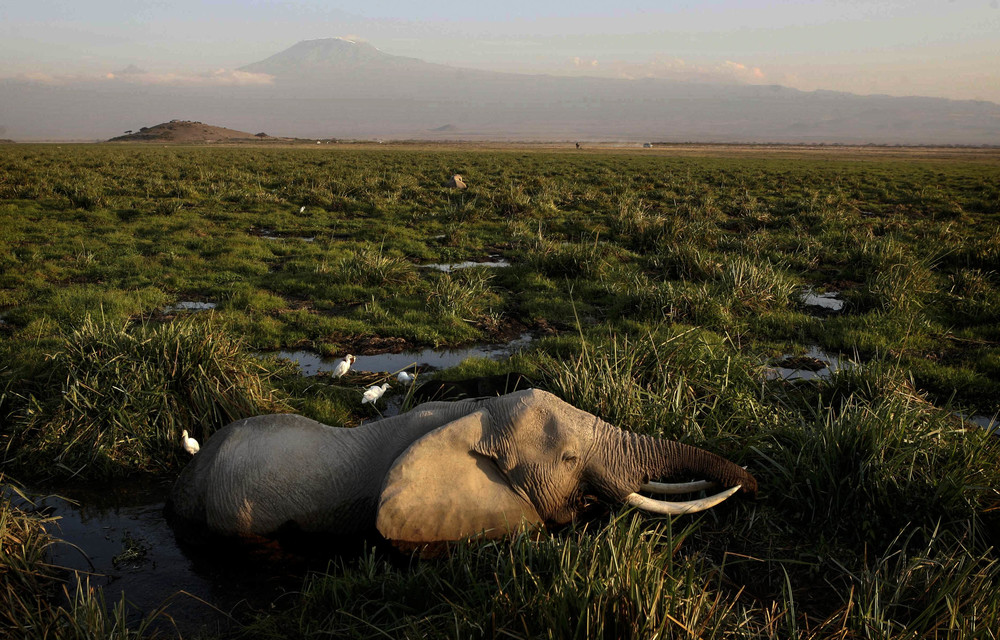
This hard-won victory in the ongoing fight against poaching signals a glimmer of hope for these gentle giants, their tusks no longer the tempting lure for those driven by greed. For decades, the majestic African elephant stood on the precipice of a devastating decline. Relentless poaching fueled by the illegal ivory trade decimated their numbers, casting a shadow over the future of these iconic creatures. But conservation efforts, unwavering dedication, and a growing chorus of voices demanding change have begun to turn the tide. Image Source: (Goran Tomasevic/Reuters)
In the lush landscapes of Botswana, South Africa, and Namibia, dedicated anti-poaching patrols, community engagement initiatives, and improved wildlife management practices have yielded tangible results. Elephant populations in these southern heartlands have shown signs of stabilization, slowly but surely climbing back from the brink.
This is not a moment for complacency, but rather a time to renew our commitment to the protection of these magnificent creatures. The scars of poaching still run deep, and the battle against the ivory trade is far from over. Yet, this news serves as a beacon of hope, a testament to the power of collective action, and a reminder that even the most formidable challenges can be overcome with unwavering resolve.
As we celebrate this hard-won victory, let us remember the countless individuals who have dedicated their lives to safeguarding these giants. Let their passion inspire us to continue the fight, to stand shoulder-to-shoulder with communities living alongside elephants, and to ensure that the rumble of their footsteps echoes through the savannah for generations to come.
The road ahead may be long, but the stabilization of elephant populations in southern Africa offers a powerful message: with unwavering commitment and collaborative action, even the most formidable challenges can be overcome. Let us embrace this momentum, continue to nurture this fragile hope, and build a future where these magnificent creatures thrive under the warm embrace of a protected continent.
Fascinating Facts about Elephants in Southern Africa:
1. Megaherds on the Move: Southern Africa boasts some of the largest remaining elephant populations, with Botswana home to the world’s biggest herds – sometimes exceeding 1000 individuals! Witnessing these majestic creatures migrate across the vast plains is a truly awe-inspiring spectacle.
2. Tusks: A Tale of Two Stories: Southern African elephants are known for their impressive tusks, a source of both beauty and vulnerability. While these ivory structures play a vital role in social interactions and foraging, they also made them targets for poachers in the past. Thankfully, conservation efforts are seeing populations stabilize.
3. Family First: Elephants in Southern Africa live in tight-knit matriarchal herds, led by wise old females who pass down vital knowledge and traditions to younger generations. Witnessing the tenderness and playful curiosity of young elephants is a heartwarming experience.
4. Adapting to Change: Southern Africa’s diverse landscapes, from sun-scorched deserts to lush wetlands, present unique challenges for elephants. These adaptable giants have developed specific behaviors and dietary strategies to thrive in different habitats, showcasing their intelligence and resilience.
5. Beyond the Big Tusks: Southern African elephants aren’t the only giants roaming the region. Look out for the smaller, forest-dwelling African forest elephants, known for their distinctive rounded ears and preference for dense vegetation.
6. Guardians of the Ecosystem: Elephants play a crucial role in maintaining the delicate balance of Southern African ecosystems. Their foraging habits create vital waterholes, disperse seeds, and help maintain tree diversity, benefiting countless other species.
7. Symbiotic Partnerships: The relationship between elephants and other animals in Southern Africa is fascinating. Honey badgers often hitch rides on elephants, utilizing their size and keen sense of smell to find food resources. In return, honey badgers can alert elephants to danger, creating a mutually beneficial partnership.
8. A Cultural Connection: Elephants have held a special place in Southern African cultures for centuries, featuring in folktales, traditional practices, and even rock art. Understanding these cultural connections deepens our appreciation for these remarkable creatures.
9. Conservation Success Stories: Despite past threats, dedicated conservation efforts are paying off. Southern Africa is home to several success stories, with elephant populations in places like Botswana and Namibia showing signs of recovery. Continued support for conservation remains vital.
10. Seeing Elephants Responsibly: Witnessing elephants in their natural habitat is undoubtedly a highlight of any Southern African adventure. However, responsible tourism is crucial. Choose ethical operators who prioritize animal welfare and avoid activities that may stress or harm elephants.
Southern Africa’s elephants are truly awe-inspiring creatures, woven into the tapestry of the region’s ecosystems and cultures. Let’s continue to learn about them, support their conservation, and ensure their majestic presence graces the plains for generations to come.



I want to thank you for your assistance and this post. It’s been great.