By Zola Mkhize | Editor-in-Chief | 29 July 2026
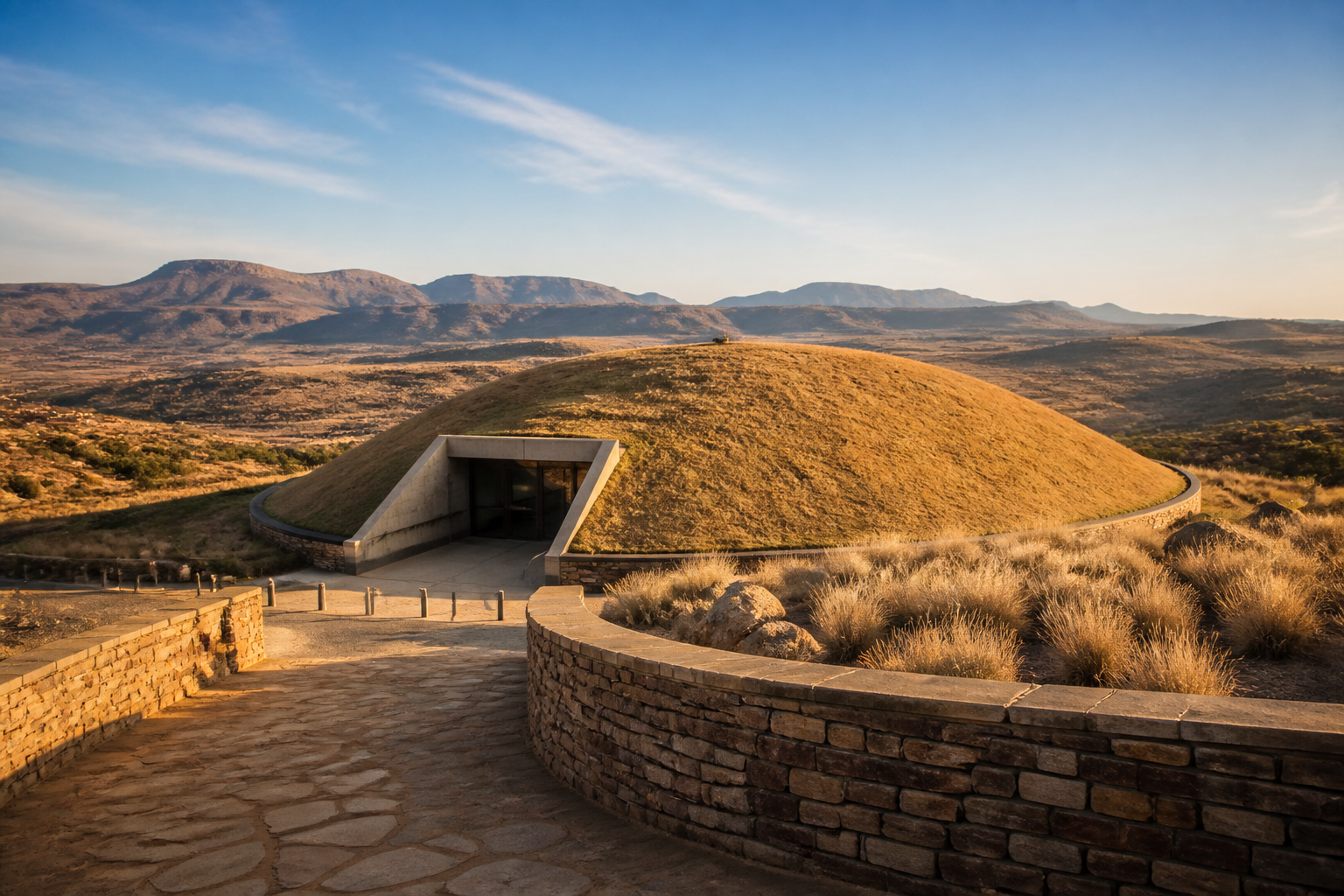
There is a word in Setswana – maropeng – that means “returning to the place of origin.” Stand at the top of the great grass-covered tumulus mound just outside Magaliesburg and let that meaning settle into your body. Look out across the pale winter hills of the Witwatersburg range, the blue-grey sky stretching over the Highveld, the sparse acacia trees holding their silence. Then walk inside, down into the dark, and meet your ancestors. You are four million years early for an appointment you didn’t know you’d kept.
This is one of the most profound travel experiences South Africa has to offer. And the fact that most of us have still never visited? That is its own kind of tragedy.
The Cradle of What?
About 50 kilometres northwest of Johannesburg, in the rolling hills between Krugersdorp and Magaliesburg, lies a stretch of dolomite cave systems unlike anywhere else on Earth. The Cradle of Humankind World Heritage Site – declared by UNESCO in 1999 – contains the richest assemblage of ancient human ancestor fossils ever found on the planet. More hominid specimens have been excavated from this single patch of Gauteng than from any other site in the world.
That is not a small claim. It is the kind of claim that makes you stop and recalibrate.
The site encompasses roughly 47,000 hectares and includes more than a dozen fossil-bearing cave systems. Among them is Sterkfontein, where palaeontologist Dr Robert Broom discovered Mrs. Ples in 1947 – a 2.1 million-year-old Australopithecus africanus skull that became one of the most famous fossils in scientific history. And then there is Little Foot: a near-complete hominid skeleton, painstakingly excavated over more than two decades, dating back approximately three million years. Little Foot is the most complete early hominid skeleton ever found.
This is where we come from. Not metaphorically. Literally.
The Maropeng Visitor Centre: Africa’s Answer to a World-Class Museum
Maropeng is the official visitor centre of this World Heritage Site, and it is built to match the scale of what it houses. The iconic tumulus structure – a great earth mound that looks like it grew naturally from the hillside – contains 2,500 metres of interactive exhibitions that take you from the formation of the universe to the emergence of modern humanity. It is part science museum, part theme park, part pilgrimage site.
You enter through the gift shop and café area and then step into another world entirely.
The exhibition opens with a vortex tunnel that simulates the Big Bang – lights, sound, disorientation, a tunnel that seems to spin around you – and then deposits you, slightly dazzled, at the beginning of Earth’s geological story. From there you move through ice ages, the continental drift that separated Africa from the rest of Pangaea, the emergence of life in the oceans, the slow crawl of species onto land, and finally – finally – the long, branching, messy, extraordinary story of the hominids that eventually became us.
The Almost Human Exhibition is the centrepiece: a collection of real fossil casts, interactive displays, and immersive environments that explore what makes humans unique. Walk, talk, cook, create art, bury the dead, develop language – every trait that distinguishes Homo sapiens is explored with genuine scientific depth and presented in a way that any curious twelve-year-old can follow. There is no dumbing down, but there is no gatekeeping either.
And then there is the boat ride.
Going Underground: The Boat Ride Through Deep Time
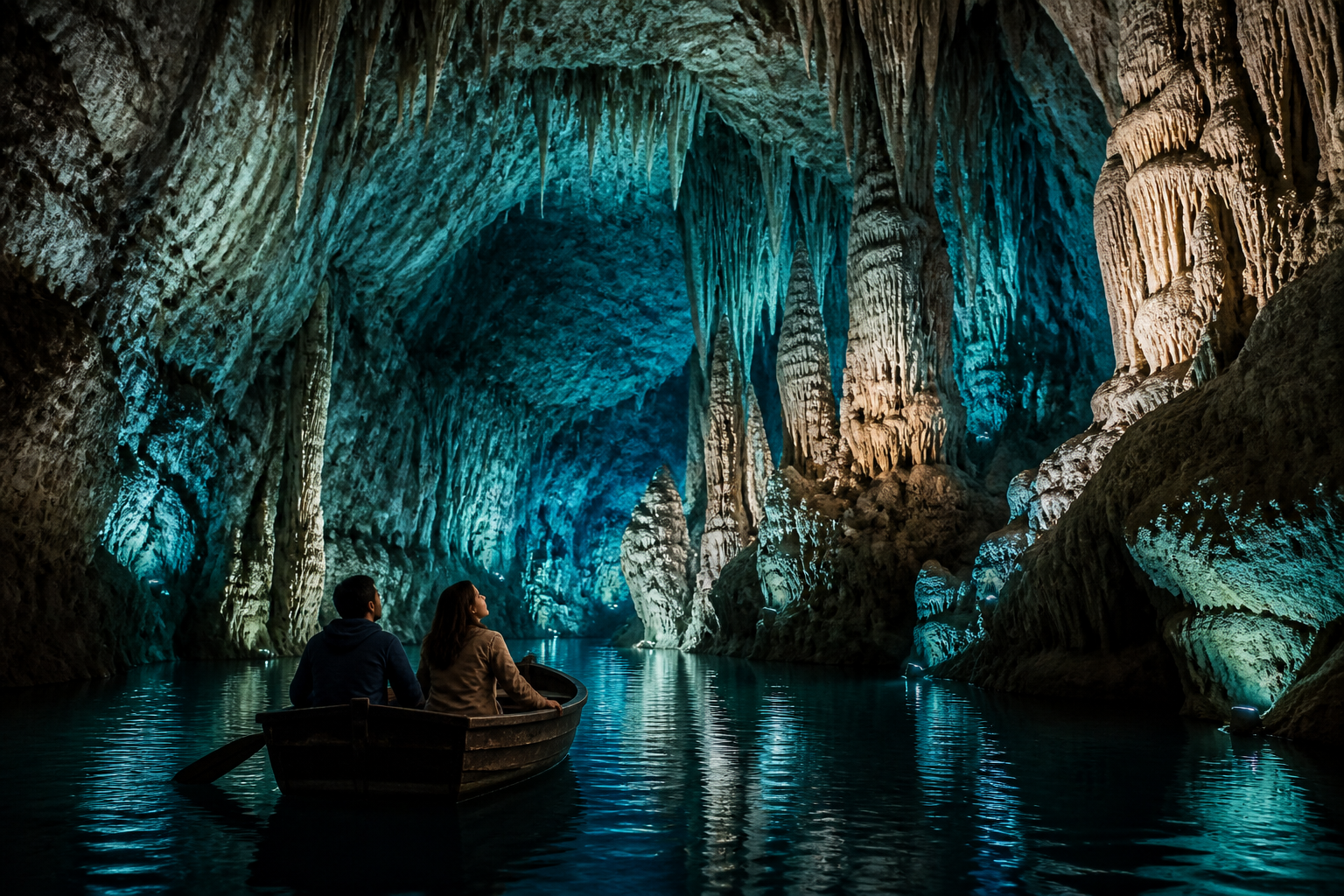
It is difficult to oversell this. You climb into a small boat in near-darkness, and for the next several minutes you are carried through an underground lake – stalactites dripping above you, the geology of millions of years pressing in from every side – as the exhibition walks you through the elemental forces that shaped the planet. Water. Fire. Wind. Ice. The raw physics of a world that had no interest in your comfort or your survival.
Children lose their minds. Adults go quiet in a way that tells you something is landing.
The boat ride does what great museum experiences are supposed to do: it makes the abstract visceral. You don’t just understand continental drift, you feel the weight of deep time. You come out the other side slightly different from how you went in.
Sterkfontein Caves: Where the Science Actually Lives
No visit to Maropeng is complete without stopping at the nearby Sterkfontein Caves – a short drive away and included in combo tickets. This is where the real archaeological work happens, where researchers are still actively excavating, still uncovering. Walking into Sterkfontein with a knowledgeable guide is like being allowed backstage at the biggest show in science.
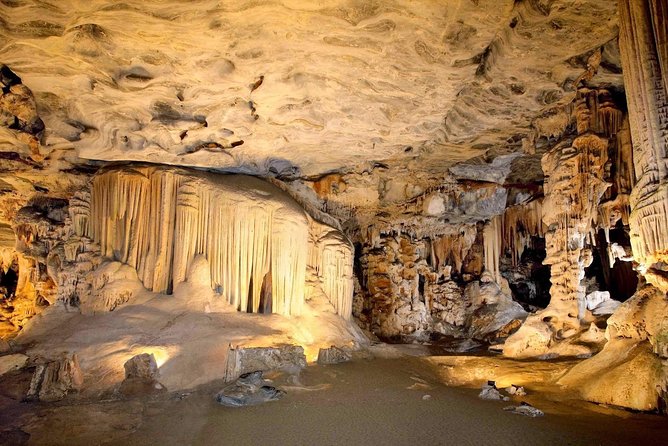
The caves themselves are ancient and dramatic: massive underground chambers lit by strategically placed lighting, the rock walls layered in every colour from ochre to black, fossils still visible in the breccia. Your guide will show you the exact spots where Mrs. Ples and Little Foot were found. They will explain the peculiar way dolomite caves preserve organic material – how a flash flood two million years ago is the reason we know anything about these creatures at all.
Guided tours run regularly and are included in the entrance fee. Allow at least an hour, and wear comfortable shoes – there are some uneven surfaces and a few low passages that remind you, helpfully, that your ancestors were shorter than you are.
Practical Details: Getting There, What to Budget
Location: R400 Road, between Hekpoort and Magaliesburg, Gauteng (GPS: S 25°55’37.8″, E 27°44’57.0″)
From Johannesburg: Roughly 50km from the Johannesburg CBD – about an hour’s drive depending on traffic. Take the N14 towards Krugersdorp, then follow the R400 towards Magaliesburg. Well-signposted.
From Pretoria: About 90 minutes via the R512 or N14 routes.
Opening hours: Monday to Sunday, 09:00–17:00. Last entry at 16:00.
Entrance fees (approximate 2026):
- Adults: R250–R280
- Children (under 12): R150–R170
- Pensioners & students: R170–R200
- Combo tickets (Maropeng + Sterkfontein Caves): around R400 for adults
These are genuinely accessible prices for what you’re getting. Budget for a meal at the Tumulus Restaurant or a lighter lunch at the Market Place Café – both are on-site, and the deck views over the Magaliesberg from the Tumulus are worth the extra time.
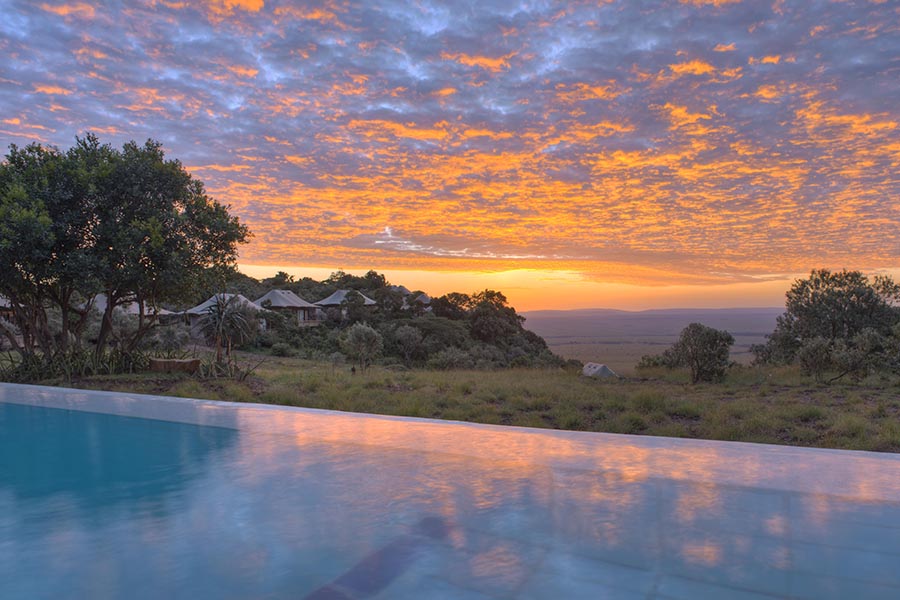
The Maropeng Boutique Hotel: If you want to stay over – and if you can swing it, you really should – the four-star boutique hotel on site offers rooms with those sweeping Magaliesberg sunset views and a resident astronomer for evening stargazing. Rates are reasonable for a four-star property in this setting. Waking up in the Cradle of Humankind, before the day-trippers arrive, is a quietly unforgettable experience.
Insider tip: Go on a weekday if you can. Weekend crowds can be significant, especially during school holidays. A Tuesday morning visit means you’ll often have the cave sections nearly to yourself, and the guides have time to go deep with you.
Why Ordinary South Africans Should Go
There is something both embarrassing and forgivable about the way South Africans skip the big local attractions. Robben Island, the Cradle, the Cango Caves, the Vredefort Dome – we drive past the signs for years without stopping, saving them for when visitors come. And then sometimes the visitors come and go, and we still haven’t been.
Maropeng deserves a different kind of attention. Not because it is a tourist obligation, but because it is genuinely extraordinary, and because the story it tells belongs to all of us. Not to South Africans specifically. To every human being alive. This is the ground from which Homo sapiens crawled into the light. These are the bones of the people who came before the people who came before everyone.
You can do the whole day on a tight budget – entrance, a packed lunch, petrol – for under R600 per person. That is a remarkable price for the kind of experience that tends to shift things in you.
Take your children. Take your parents. Take yourself on a solo drive on a clear winter Wednesday when the Highveld light is sharp and the air smells of dry grass and distance. Go down into the dark and come back up again knowing something you didn’t know before.
Maropeng. Return to the place of origin.
You’ve been there before, after all.
Practical Links:
- Official website: www.maropeng.co.za
- Book the Boutique Hotel: Maropeng Hotel Packages & Specials
Zola Mkhize is the Editor-in-Chief of Everything ZA Travel (www.everythingzatravel.co.za). She covers Hidden Gems, Heritage, and the destinations that make South Africa worth every kilometre.