The IMF Predicts a Brief Reign for South Africa as Africa’s Largest Economy
Published By Everything ZA Travel
In a stunning reversal of fortunes, South Africa is poised to overtake Nigeria and Egypt as Africa’s largest economy in 2024, according to the International Monetary Fund (IMF). However, this dominance is expected to be short-lived, as South Africa will yield the top spot to Nigeria in 2025, eventually falling to third place behind Egypt in 2026.
This remarkable shift in economic power is being driven by a complex interplay of factors, including currency devaluations, policy changes, and infrastructure challenges.
Nigeria, currently Africa’s largest economy, has been grappling with a number of headwinds, including a decline in oil production, runaway inflation, and a plunge in the value of the naira. In an effort to reverse the tide, newly elected President Bola Tinubu has announced a number of significant policy changes, including revamping the foreign-exchange system, scrapping costly gasoline subsidies, and taking steps to address dollar shortages and boost tax revenue. While these measures are expected to pay dividends in the long run, they are causing initial pain in the country.
Egypt, meanwhile, has been facing a foreign-exchange crunch, forcing it to devalue its currency three times since early 2022. The government has also secured a $3 billion IMF package that requires a more flexible exchange rate, a move it’s only likely to undertake after December elections in which President Abdel-Fattah El-Sisi is seeking to extend his rule until 2030. The delay has stalled IMF reviews that were initially scheduled for March and September. Successful appraisals could unlock about $700 million in postponed loan tranches, give Egypt access to a $1.3 billion resilience fund, and potentially spur major Gulf investments.
The IMF projects Egypt’s GDP to grow by 5% or more from 2026, if it implements a reform agenda.
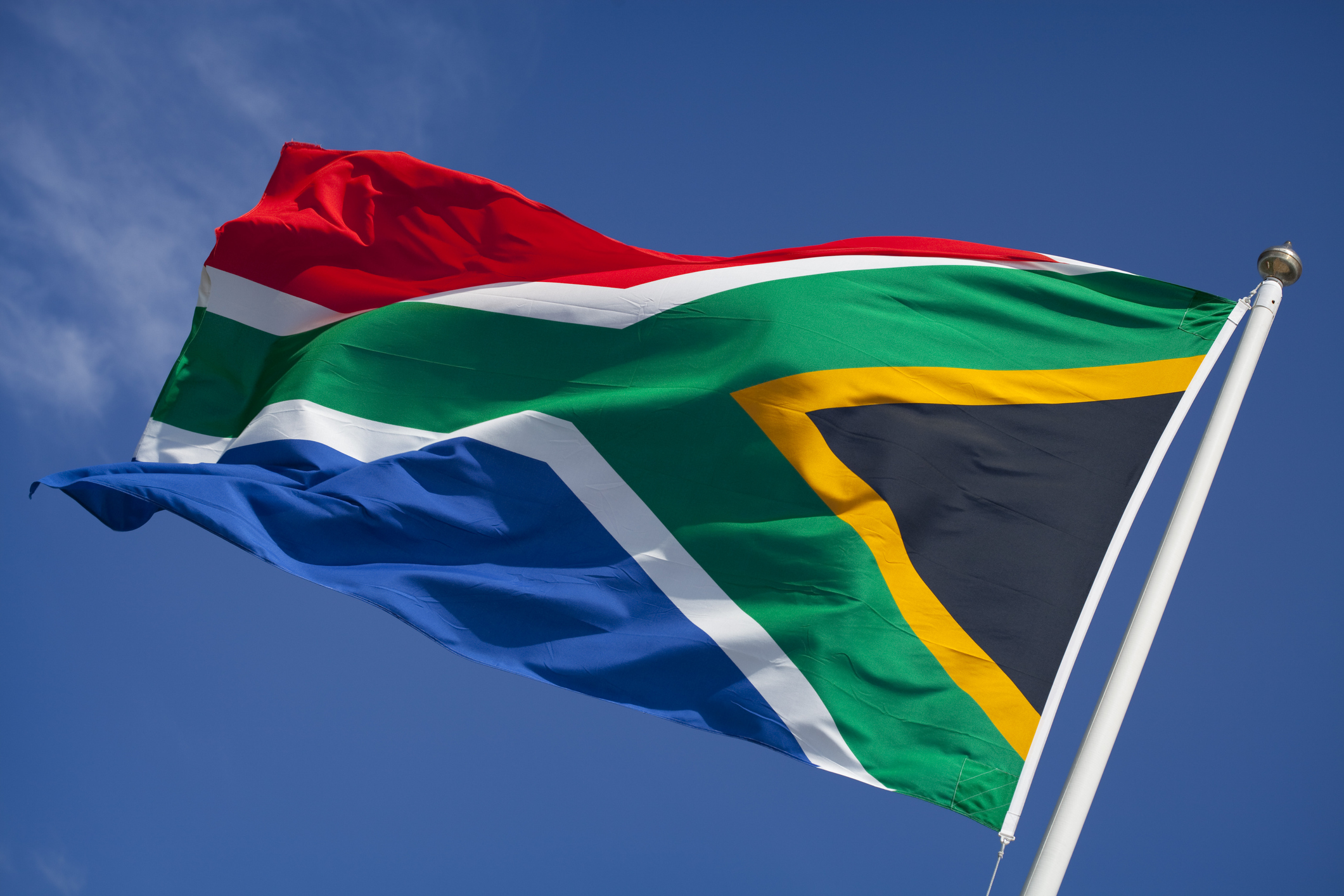
South Africa, on the other hand, has a free-floating currency, the rand, which has lost about 10% of its value against the dollar this year. Currency weakness has been stoked by concerns that the National Treasury will miss its budget deficit and debt-to-GDP targets for the fiscal year through March due to increased demands on the state for support and revenue shortfalls, as a fraying transport network and record power cuts curtail economic growth.
Despite these challenges, the IMF sees South Africa’s economy expanding 0.9% this year and 1.8% in 2024, with the potential to expand 2.5% to 3% faster should it improve the power situation, tackle logistic bottlenecks, and institute other reforms.
The IMF’s predictions have sparked a lively debate among economists and analysts, with some questioning the sustainability of South Africa’s economic recovery. However, the prospect of South Africa briefly regaining its mantle as Africa’s largest economy is a testament to the country’s resilience and potential.
Intriguing Angle:
The IMF’s predictions can be seen as a microcosm of the broader trends shaping Africa’s economic landscape. The rise of Nigeria and Egypt as economic powerhouses reflects the continent’s growing importance in the global economy. However, the challenges they face, such as currency devaluations, policy uncertainty, and infrastructure bottlenecks, also highlight the need for sustained reforms.
South Africa’s brief reign as Africa’s largest economy is a reminder of the country’s potential, but it also underscores the importance of addressing its structural challenges. If South Africa can successfully implement the necessary reforms, it could position itself as a leader in Africa’s economic transformation.