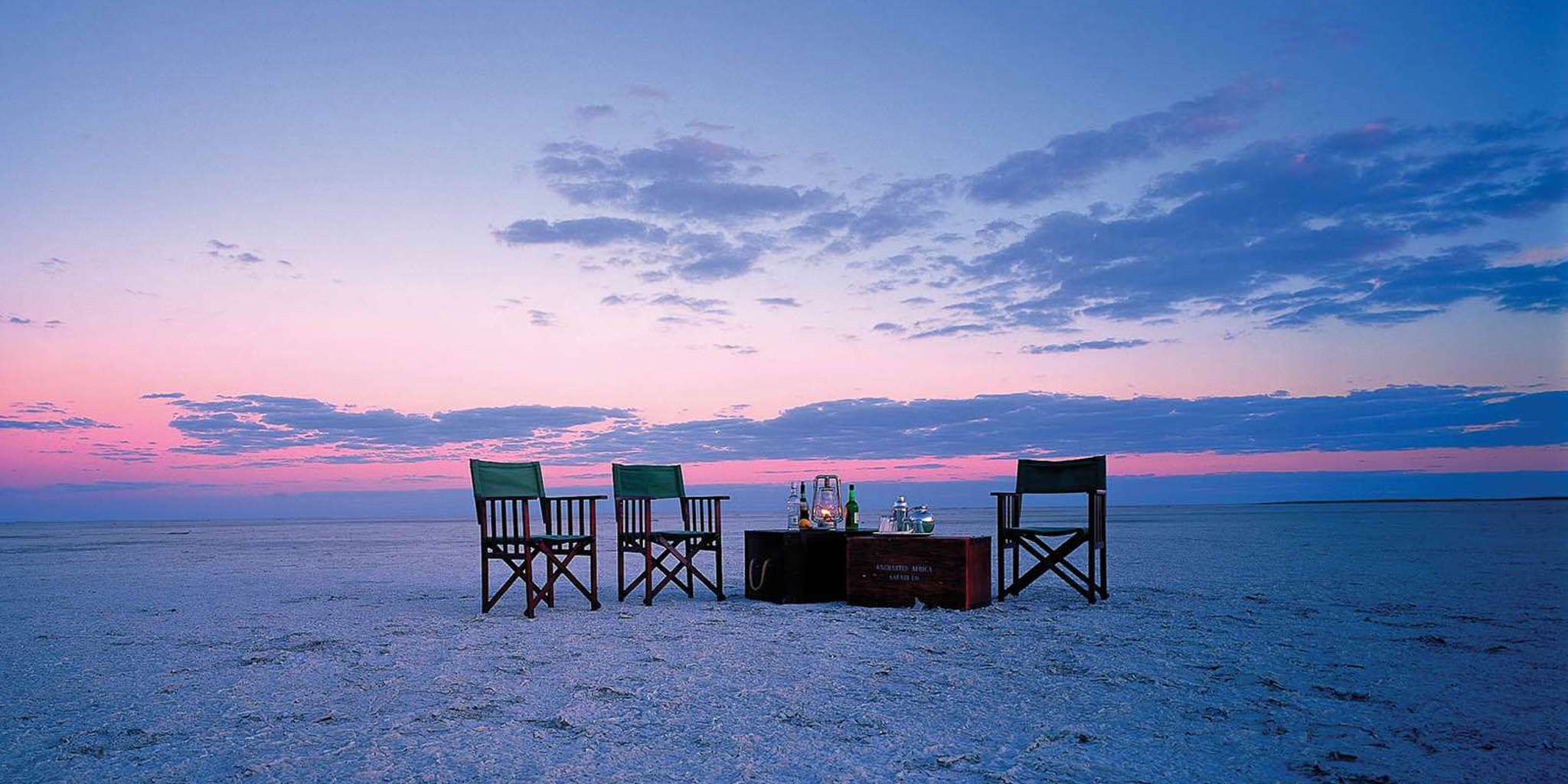
The Makgadikgadi Salt Pans, a breathtaking expanse of white salt flats in Botswana, stand as a testament to nature’s grandeur and the passage of time. Once the bed of a vast inland sea, these pans have evolved into one of the world’s most unique and awe-inspiring landscapes.
A Geological Marvel
Approximately 2,000 years ago, the Makgadikgadi Basin was home to a massive inland sea that rivaled the size of today’s Lake Superior. Over time, this ancient body of water evaporated, leaving behind a vast, shimmering expanse of salt flats. Today, the Makgadikgadi Pans are the largest salt pans in the world, covering an area of over 16,000 square kilometers.
A UNESCO World Heritage Site
Recognizing their exceptional natural beauty and geological significance, UNESCO declared the Makgadikgadi Salt Pans a World Heritage Site. The pans offer a glimpse into Earth’s ancient history, showcasing the power of natural forces to shape the landscape.
A Unique Ecosystem
Despite their harsh, arid environment, the Makgadikgadi Pans support a diverse range of wildlife. During the rainy season, the pans fill with water, attracting large herds of zebras, wildebeest, and other grazing animals. Predators such as lions, cheetahs, and hyenas follow these migrating herds, creating a dynamic ecosystem.
A Must-See Destination
For visitors seeking a truly unique and unforgettable experience, the Makgadikgadi Salt Pans offer a breathtaking and unforgettable adventure. Whether you’re exploring the vast white expanse, witnessing the incredible wildlife, or simply soaking in the serene beauty of the landscape, a visit to the Makgadikgadi Pans is sure to leave a lasting impression.